
What Is an Electrolyte Test?
An electrolyte test is a simple blood test. It checks the levels of key minerals in your blood. These minerals include sodium, potassium, chloride, and bicarbonate. They help your body work well. For example, they keep your heart, nerves, and muscles healthy. Doctors often call this test an electrolyte panel or blood electrolyte test.
Why Is an Electrolyte Test Done?
Doctors order an electrolyte test for many reasons. Sometimes, you may feel weak or tired. Other times, you might have symptoms like confusion or muscle cramps. In these cases, an electrolyte imbalance could be the cause. Also, if you have certain health problems, such as kidney disease or heart issues, your doctor may check your electrolyte levels often. This test helps find out if your body is in balance.
How Is the Electrolyte Test Performed?
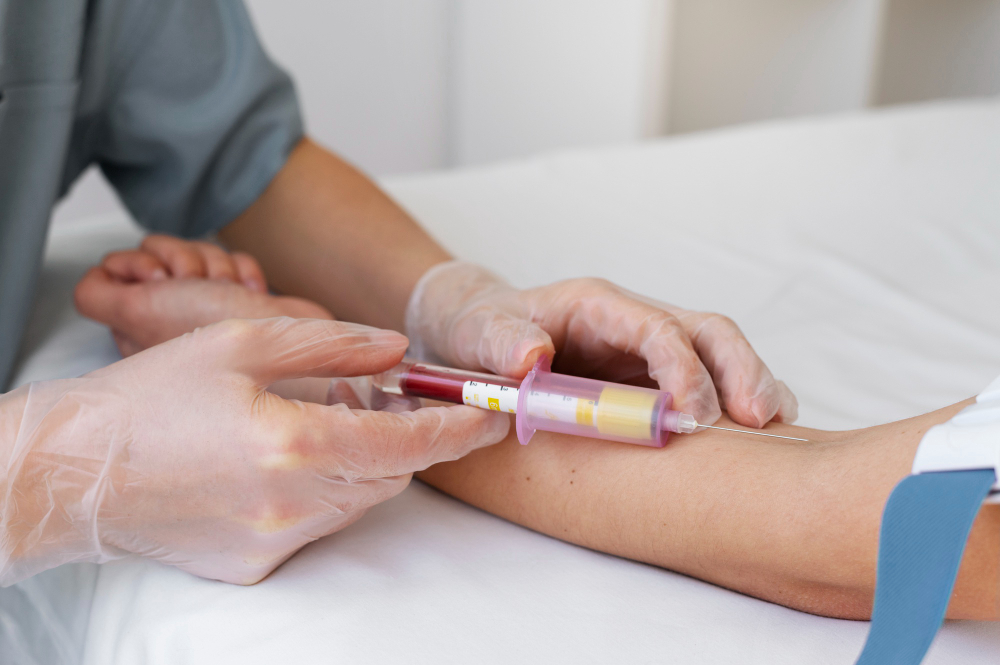
The electrolyte test is quick and easy. First, a healthcare worker cleans your arm. Next, they use a small needle to take a blood sample from a vein. The blood goes to a lab for testing. Usually, you can return to normal activities right after the test. Most people feel only a small pinch during the blood draw.
Understanding Your Electrolyte Test Results
After the test, your doctor will review your results. The main minerals checked are:
Normal electrolyte levels can vary by lab, but common ranges are:
If your levels are too high or too low, it may mean you have an electrolyte imbalance. Your doctor will explain what your results mean for your health. (Source: CDC, MedlinePlus)
Common Causes of Electrolyte Imbalance
Many things can cause an electrolyte imbalance. For example, you might lose fluids from vomiting or diarrhea. Sometimes, certain medicines can change your electrolyte levels. Other causes include:
Because these causes are common, doctors use the blood test for electrolytes to help find the problem quickly.
How to Prepare for an Electrolyte Test
Most people do not need special steps before an electrolyte panel. However, your doctor may ask you to avoid certain foods or medicines. Always follow your doctor’s instructions. If you have questions, ask before the test. This way, you will be ready and feel less worried.
Prevention and Lifestyle Tips
There are simple ways to keep your electrolyte levels healthy. For instance, you can:
By following these tips, you can help prevent an electrolyte imbalance.
When to Consult a Doctor
If you feel very tired, confused, or have muscle cramps, talk to your doctor. Also, if you have ongoing health problems, regular blood tests for electrolytes may be needed. Early testing can help prevent serious issues. Remember, only a healthcare professional can give you the right advice for your situation.
If you have questions about your electrolyte test or your health, consult your doctor at Ashirvad Pathology Laboratory for personalized advice.