
Introduction
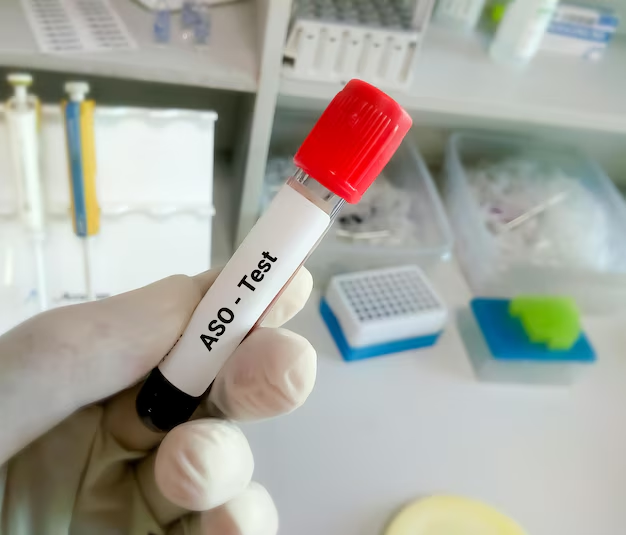
The ASO Test, also called the antistreptolysin O test, is a simple blood test. It helps doctors check for a past infection caused by certain bacteria called Streptococcus. These bacteria can lead to health problems if not treated. Because early detection is important, the ASO Test plays a key role in finding these infections. Understanding your ASO blood test results can help you and your doctor make better health choices.
What is the ASO Test?
The ASO Test measures the amount of antistreptolysin O antibodies in your blood. These antibodies form when your body fights a Streptococcus infection. For example, if you had strep throat or a skin infection, your body may produce these antibodies. The test helps show if you have had a recent or past infection.
Why is the ASO Test Done?
Doctors use the ASO Test to find out if you have had a recent Streptococcus infection. Sometimes, these infections can cause problems later, even after the first illness is gone. For instance, untreated strep infections may lead to rheumatic fever or kidney issues. Therefore, the ASO blood test helps doctors diagnose and treat these problems early.
Symptoms and Conditions Leading to an ASO Test
Doctors may order an ASO Test if you have symptoms that suggest a past strep infection. Common reasons include:
Additionally, if you have signs of rheumatic fever or a kidney problem called glomerulonephritis, your doctor may suggest this test. These conditions can develop weeks after a strep infection.
How is the ASO Test Performed?
The ASO Test is a simple blood test. First, a healthcare worker cleans your skin. Next, they use a small needle to take a blood sample from your arm. The process usually takes only a few minutes. Afterward, your blood is sent to a lab for testing. Most people feel only a quick pinch during the test.
Understanding ASO Test Results
ASO Test interpretation can be confusing, but your doctor can help. Here is what the results may mean:
However, a high ASO level alone does not mean you have an active infection. Sometimes, your doctor may order more tests to confirm the cause of your symptoms. It is important to discuss your ASO blood test results with your healthcare provider for a clear understanding.
Risks and Limitations of the ASO Test
The ASO Test is safe for most people. Still, as with any blood test, you may notice mild pain, bruising, or swelling at the needle site. These side effects usually go away quickly. However, the test has some limits. For example, not everyone with a strep infection will have high ASO levels. Also, other health problems may affect the results. Therefore, doctors use the ASO Test along with other tests and your symptoms to make a diagnosis.
When to Consult a Doctor
If you have symptoms like joint pain, fever, or skin rashes after a sore throat, talk to your doctor. Early treatment can help prevent serious problems. Additionally, if you receive an abnormal ASO Test result, your doctor can explain what it means for your health. Do not ignore new or worsening symptoms.
Frequently Asked Questions
In summary, the ASO Test helps doctors find past strep infections and prevent future health problems. For any questions or concerns about your ASO Test results, consult Ashirvad Pathology Laboratory for personalized advice.