
Introduction to the CRP Test
The CRP test, also called the C-reactive protein test, is a simple blood test. Doctors use it to check for inflammation in your body. Inflammation can be a sign of infection or other health problems. Because the CRP blood test is quick and easy, it is often used to help diagnose many conditions. If you are wondering about the CRP test, this guide will help you understand what it is and why it matters.
What Is a CRP Test?
A CRP test measures the level of C-reactive protein in your blood. Your liver makes this protein when there is inflammation. Usually, healthy people have very low levels of CRP. However, when your body fights an infection or injury, CRP levels can rise quickly. For this reason, the CRP blood test helps doctors spot inflammation early.
Why Is the CRP Test Done?
Doctors order the CRP test for several reasons. Often, they use it to:
Sometimes, your doctor may suggest a CRP test if you have symptoms like fever, pain, or swelling. In addition, the test can help find out if your symptoms are due to an infection or another cause.
How Is the CRP Test Performed?
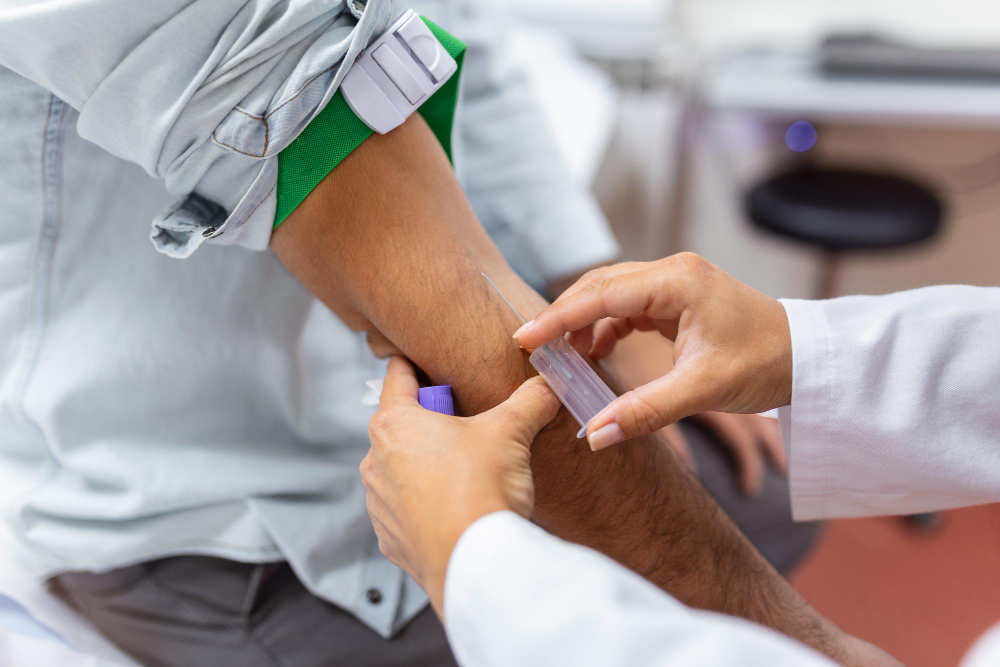
The CRP test is simple and quick. First, a healthcare worker will clean your skin. Then, they will draw a small amount of blood from a vein in your arm. After that, your blood sample goes to a lab for testing. Most people feel only a brief pinch during the blood draw. Usually, you can return to your normal activities right after the test.
How to Prepare for a CRP Test
In most cases, you do not need to do anything special before a CRP test. You can eat and drink as usual. However, if your doctor orders other blood tests at the same time, you may need to fast. Always ask your healthcare provider if you need to prepare in any way. This helps avoid confusion on the day of your test.
What Do CRP Test Results Mean?
CRP test results show how much C-reactive protein is in your blood. Here is what the numbers often mean:
However, these ranges can vary by lab. For example, some labs use different units or cutoffs. Because of this, always discuss your results with your doctor. High CRP levels can have many causes, such as:
Sometimes, even mild illnesses can raise your CRP. On the other hand, a normal CRP does not always mean you are healthy. Therefore, your doctor will look at your symptoms and other test results too.
Common Reasons for Ordering a CRP Test
Doctors may order a CRP test for several reasons. For example, you might need one if you have:
In some places, you can get a CRP test in your city or country at local clinics or hospitals. Always ask your doctor if you need this test and where to get it.
Risks and Limitations of the CRP Test
The CRP test is safe for most people. However, as with any blood test, there are small risks. You may have slight pain, bruising, or bleeding where the needle goes in. These problems usually go away quickly. Importantly, the CRP test does not show the exact cause of inflammation. It only tells your doctor that inflammation is present. Because of this, you may need more tests to find the real problem.
When to Consult a Doctor
If your CRP test results are high, do not panic. Many things can cause high CRP levels. However, you should always talk to your doctor about your results. They can explain what your numbers mean for your health. In addition, if you have symptoms like fever, pain, or swelling, see a healthcare professional. Early care can help prevent serious problems.
Summary
To sum up, the CRP test is a useful tool for finding inflammation in your body. It is quick, safe, and helps doctors diagnose many conditions. However, the results are only one part of your health picture. For the best advice, always discuss your CRP test results with your doctor.
Consult a healthcare professional at Ashirvad Pathology Laboratory for personalized advice about your CRP test results.