
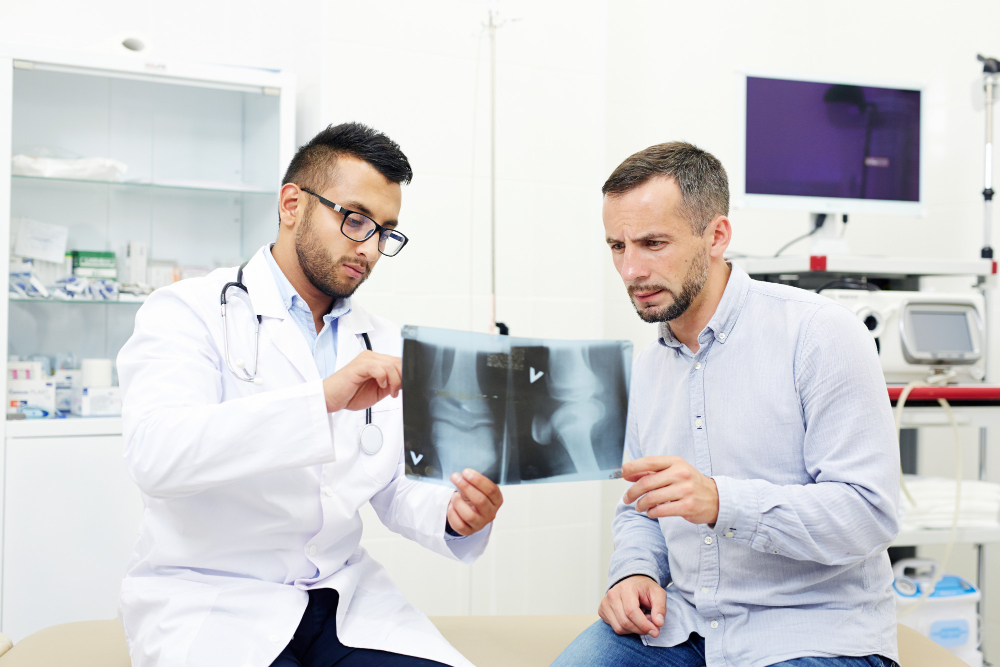
What is a Bone Density Test?
A bone density test checks how strong your bones are. Doctors often call it a DEXA scan or osteoporosis screening. This test measures the amount of calcium and other minerals in your bones. As a result, it helps find out if you have weak bones or are at risk for fractures. Many people get this test as part of a bone health check.
Why is a Bone Density Test Important?
First, a bone density test can help spot osteoporosis early. Osteoporosis is a condition where bones become thin and break easily. Early detection means you can take steps to protect your bones. In addition, this test helps doctors decide if you need treatment or lifestyle changes. According to the CDC, strong bones are key for staying active and healthy as you age.
Who Should Get a Bone Density Test?
Not everyone needs a bone density test. However, some people are at higher risk. You may need a bone health check if you:
For example, your doctor may suggest a DEXA scan if you have lost height or have other risk factors.
How is the Test Performed?
The bone density test is quick and painless. Most often, it uses a DEXA scan. During the test, you lie on a table while a machine scans your hip and spine. The scan takes about 10 to 20 minutes. You do not need to change clothes unless you are wearing metal. After the scan, you can return to your normal activities right away.
How to Prepare for a Bone Density Test
Getting ready for a bone density test is simple. Here are some tips:
Most people do not need to fast or stop other medicines. However, always follow your doctor’s advice.
Understanding Your Results
After your bone density test, you will get a score called a T-score. This score compares your bone strength to that of a healthy young adult. Here is what the results mean:
Your doctor will explain your results and what they mean for your bone health. Sometimes, you may need more tests or treatment based on your score.
Risks and Limitations
Although a bone density test is safe, it does use a small amount of radiation. However, the risk is very low. The test may not find all bone problems. For instance, it cannot predict every fracture. Also, results may vary if you have certain medical conditions. Always talk to your doctor about your health history before the test.
Tips for Healthy Bones
Keeping your bones strong is important at any age. Here are some ways to help:
With these steps, you can lower your risk of osteoporosis and fractures.
Conclusion
In summary, a bone density test is a simple way to check your bone health. It helps find problems early and guides treatment. If you have risk factors or concerns, consult a healthcare provider at Ashirvad Pathology Laboratory to learn if a bone density test is right for you.