Introduction
Finding a lump on your body can be scary. However, not all lumps mean something serious. Many people worry about surgery for lump diagnosis. But, there is a safe and simple way to check lumps without surgery. This method is called FNAC, or Fine Needle Aspiration Cytology. Lump evaluation without surgery using FNAC helps doctors find out what a lump is, quickly and safely. In this blog, you will learn how FNAC works, when it is used, and what you can expect.
What is FNAC?
FNAC stands for Fine Needle Aspiration Cytology. It is a test that uses a thin needle to take a small sample from a lump. Because the needle is very fine, the procedure is gentle and does not need surgery. Doctors use FNAC to look at cells from the lump under a microscope. This helps them find out if the lump is harmless or needs more attention. FNAC is a minimally invasive lump test, which means it does not cut the skin or require stitches.
When is FNAC Recommended?
Doctors may suggest FNAC in many situations. For example, if you have a new lump or swelling, FNAC can help find out what it is. Sometimes, lumps in the neck, breast, thyroid, or under the skin need checking. In addition, FNAC is useful for both adults and children. Your doctor may recommend FNAC if:
Because FNAC is quick and safe, it is often the first step in lump diagnosis without surgery.
How is FNAC Performed?
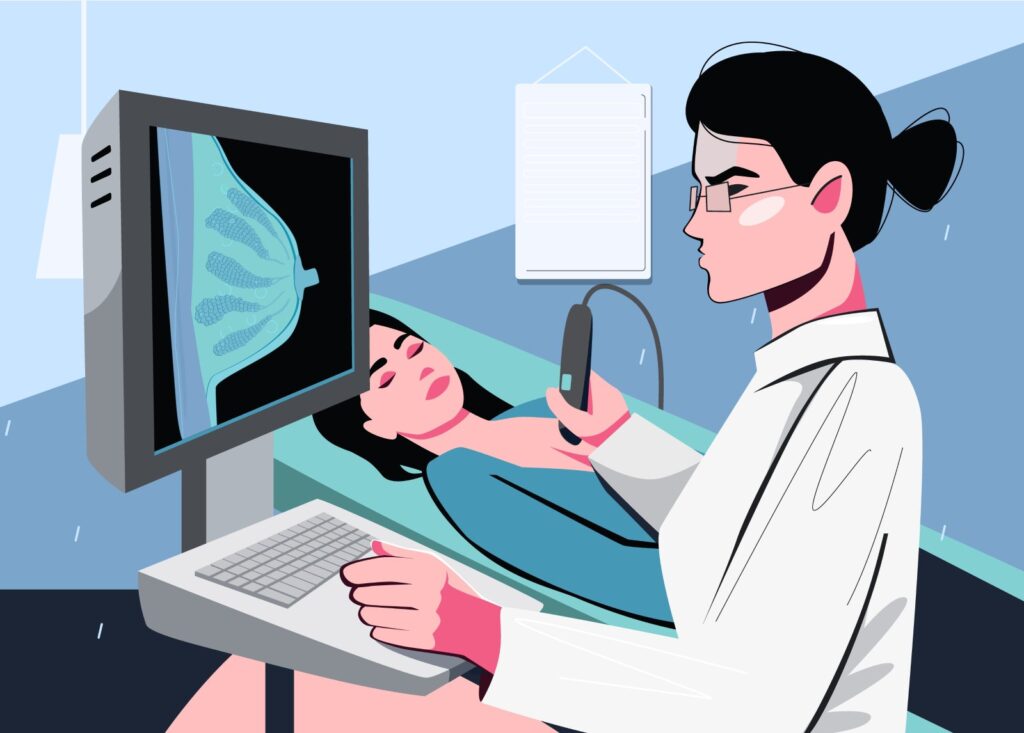
The FNAC procedure is simple and usually takes less than 30 minutes. Here is what happens during the test:
Most people feel only mild discomfort, like a quick pinch. Because no cuts are made, there is little risk of infection or scarring.
Benefits of FNAC Over Surgical Biopsy
FNAC offers many advantages compared to surgical biopsy. For instance, it is much less invasive. Here are some key benefits:
Because of these reasons, FNAC is a popular choice for safe lump evaluation.
What to Expect During and After FNAC
Before the test, your doctor will explain the procedure and answer your questions. During FNAC, you may feel a small pinch or pressure, but it is usually not painful. After the test, you can go home right away. Most people return to normal activities the same day. However, you may notice mild swelling or bruising at the site. This usually goes away in a day or two. If you have pain, you can use a cold pack or take a mild pain reliever. Always follow your doctor’s advice.
Risks and Limitations of FNAC
FNAC is very safe, but like any test, it has some risks. For example, you might have mild bleeding or bruising. Rarely, there can be infection. Sometimes, the sample may not give a clear answer. In such cases, your doctor may suggest repeating the test or doing another type of biopsy. Although FNAC is a reliable and minimally invasive lump test, it may not always detect every problem. Therefore, follow-up is important.
Frequently Asked Questions about FNAC
Prevention and Early Detection Tips
While not all lumps are preventable, early detection is key. Here are some tips:
Because early action can make a big difference, do not ignore new lumps.
Conclusion
FNAC is a simple, safe, and effective way to check lumps without surgery. It helps doctors diagnose problems quickly and with little discomfort. If you notice a lump, consult a healthcare specialist at Ashirvad Pathology Laboratory to discuss if FNAC is right for you.