
What Is Cardiac Profile Testing?
Cardiac profile testing is a group of blood tests that check your heart health. These tests help doctors find out if you are at risk for heart disease. In fact, many people call it a heart health screening or cardiac risk assessment. Cardiac profile testing looks at different markers in your blood. These markers can show if your heart is healthy or if you might need treatment.
Why Is Cardiac Profile Testing Important?
Heart disease is a leading cause of death worldwide, according to the World Health Organization (WHO). Early detection can save lives. Cardiac profile testing helps spot problems before they become serious. For example, it can find high cholesterol or signs of heart damage. Because of this, you can take steps to protect your heart. Also, regular testing helps track your progress if you are already managing heart issues.
Common Tests Included in a Cardiac Profile
Cardiac profile testing often includes several blood tests. Each test gives important information about your heart. Here are some common tests:
Who Should Consider Cardiac Profile Testing?
Not everyone needs cardiac profile testing right away. However, some people have a higher risk. You should consider testing if you:
Even if you feel healthy, testing can help catch problems early. For this reason, talk to your doctor about your risk factors.
How Is Cardiac Profile Testing Performed?
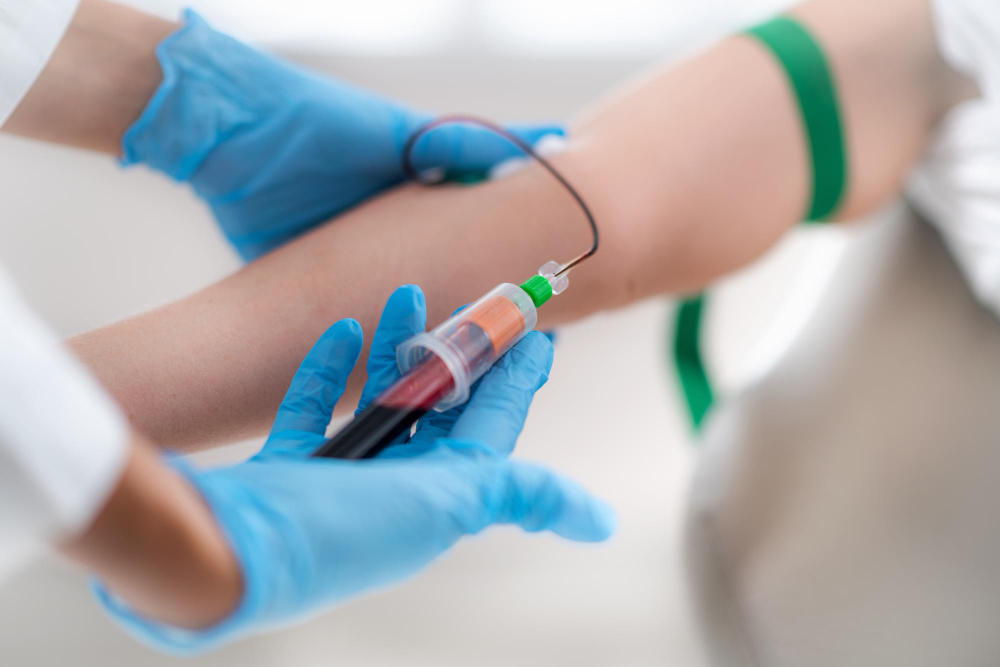
Cardiac profile testing is simple and safe. First, a healthcare worker will draw a small amount of blood from your arm. Next, the blood goes to a lab for testing. Usually, you can return to normal activities right after the test. Results are often ready within a few days. Because the test is quick, many people find it easy to fit into their schedule.
How to Prepare for Cardiac Profile Testing
Proper preparation helps ensure accurate results. Here are some tips:
Above all, ask your healthcare provider if you have questions about the process.
Understanding Your Results
After your cardiac profile testing, your doctor will review the results with you. Each test has a normal range. If your numbers are outside this range, it may mean a higher risk for heart disease. For example, high LDL cholesterol or triglycerides can be a warning sign. However, one abnormal result does not always mean you have heart disease. Your doctor will look at your full health picture before making recommendations. Always ask for clear explanations if you do not understand your results.
Prevention and Lifestyle Tips for Heart Health
Even if your cardiac profile test is normal, healthy habits matter. Here are some tips to keep your heart strong:
Because small changes add up, start with one or two new habits at a time.
Conclusion
Cardiac profile testing is a key tool for heart health screening and cardiac risk assessment. Early testing can help you prevent serious problems. Consult a healthcare professional at Ashirvad Pathology Laboratory for personalized advice on cardiac profile testing and heart health.