
What Is a Fever Panel?
A fever panel is a group of blood tests that help doctors find the cause of a fever. Often, when someone has a high temperature and other symptoms, a fever panel test can give quick answers. This test checks for common infections that cause fever. Because it looks for several diseases at once, it saves time and helps with fast treatment. Many clinics and hospitals in cities and towns offer this test. According to the World Health Organization (WHO), early testing can help prevent serious illness.
Common Symptoms Leading to a Fever Panel Test
Doctors may suggest a fever panel if you have certain symptoms. For example, you might need this test if you have:
Sometimes, if you have traveled recently or live in an area with many infections, your doctor may order a fever panel sooner. In addition, if your fever does not improve with basic care, this test can help find the cause.
Causes and Conditions Detected by a Fever Panel
A fever panel checks for several common infections. These include:
Because many diseases cause similar symptoms, a fever panel helps doctors find the exact reason for your illness. This way, you get the right treatment quickly. The Centers for Disease Control and Prevention (CDC) notes that early diagnosis can lower the risk of complications.
How the Fever Panel Test Is Performed
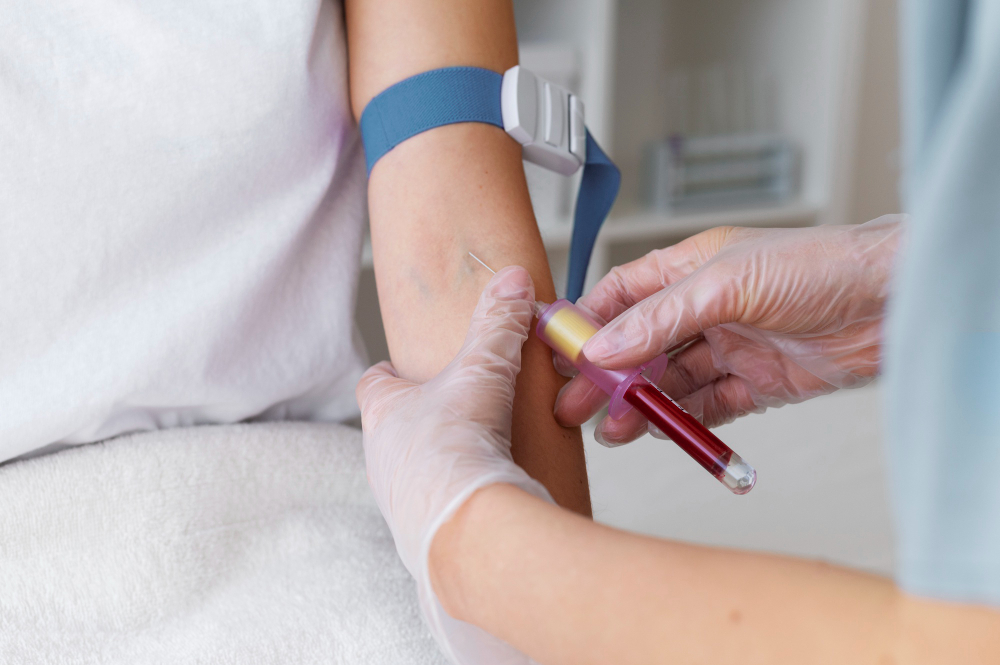
The fever panel test is simple and safe. First, a healthcare worker takes a small blood sample from your arm. Next, the sample goes to a lab for testing. In most cases, you do not need to fast before the test. However, always follow your doctor’s advice. Results are usually ready within one or two days. Because the test is quick, you can start treatment sooner if needed.
Understanding the Results
Once your fever panel results are ready, your doctor will explain them. For example, the report may show if you have dengue, malaria, or another infection. Sometimes, all results are negative. In that case, your doctor may look for other causes. If one or more tests are positive, your doctor will discuss the next steps. Remember, only a trained healthcare provider can explain your fever panel results clearly.
Treatment and Next Steps After Testing
After you get your fever panel results, your doctor will suggest the best treatment. For example, if you have malaria, you may need special medicines. If the test shows a viral infection, you might need rest and fluids. Sometimes, you may need more tests to confirm the diagnosis. Always take your medicines as prescribed. In addition, follow your doctor’s advice for a full recovery.
Prevention and Lifestyle Guidance
While a fever panel helps with diagnosis, prevention is always better. Here are some tips to lower your risk of fever-causing infections:
Moreover, if you feel unwell or have a high fever, seek medical help early. Early care can prevent serious problems.
Conclusion
A fever panel is a helpful tool for finding the cause of a fever. It guides doctors to the right treatment and helps you recover faster. If you have a fever that does not go away, consult a healthcare professional at Ashirvad Pathology Laboratory for personalized advice regarding fever panel testing.