Introduction to Pathology and Cell Analysis
When you hear the phrase “From FNAC to Frozen Sections,” you might wonder what it means. Pathology is the branch of medicine that studies diseases by looking at cells and tissues. In fact, pathologists are the doctors who examine these samples. They help your doctor find out what is happening inside your body. Because of their work, you do not have to guess about your health. Instead, you get clear answers based on science. According to the World Health Organization (WHO), accurate cell analysis is key to proper diagnosis and treatment.
What is FNAC? (Fine Needle Aspiration Cytology)
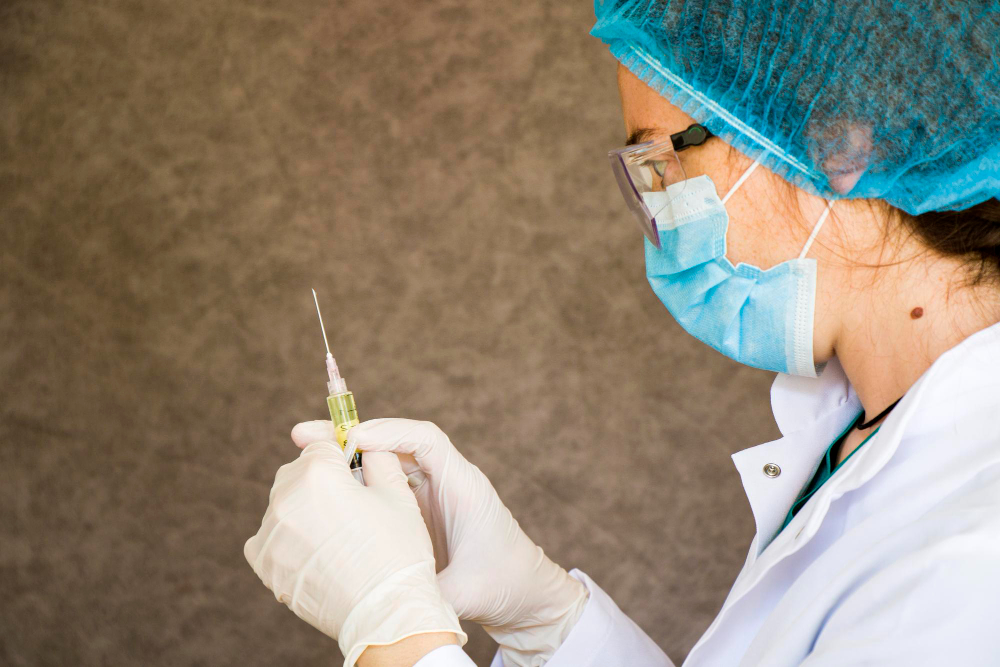
FNAC stands for Fine Needle Aspiration Cytology. It is a simple and quick test. During the FNAC procedure, a thin needle is used to take a small sample of cells from a lump or swelling. Usually, this test is done in a clinic or hospital. After the sample is collected, it is sent to the lab for analysis. Because the needle is so fine, the procedure causes little pain. FNAC helps doctors find out if a lump is harmless or something more serious. For example, it can help detect infections, cysts, or cancer. The FNAC procedure explained in simple terms: it is safe, fast, and gives important information.
Understanding Frozen Sections in Pathology
Frozen section pathology is another important tool. Sometimes, doctors need quick answers during surgery. In these cases, a small piece of tissue is taken and frozen right away. Then, it is cut into thin slices and looked at under a microscope. Because this process is fast, surgeons can get results in minutes. This helps them decide what to do next during the operation. For instance, they may need to know if a tumor is cancerous or not. Frozen sections help guide these choices. According to the Centers for Disease Control and Prevention (CDC), frozen section analysis improves surgical outcomes.
How Pathologists Analyze Cells: Step-by-Step
Pathologists follow careful steps to study cells. First, they receive the sample from the doctor or surgeon. Next, they prepare the sample using special stains or freezing methods. Then, they look at the cells under a microscope. Because every detail matters, pathologists check the size, shape, and pattern of the cells. They compare these findings to healthy cells. If something looks unusual, they take extra care to review it. After the analysis, they write a report for your doctor. This report helps guide your treatment plan. The role of pathologists in diagnosis is vital for your care.
Why Accurate Cell Reading Matters for Your Health
Accurate cell analysis in diagnosis is very important. Because each cell tells a story, pathologists can spot diseases early. Early detection often leads to better treatment results. For example, finding cancer cells early can save lives. In addition, correct diagnosis prevents unnecessary treatments. According to peer-reviewed medical journals, mistakes in cell reading can lead to wrong treatments. Therefore, trusting skilled pathologists is key. They help your doctor make the best decisions for your health.
When Should You See a Pathologist?
Most people do not visit a pathologist directly. However, your doctor may send your samples to one if you have:
Because pathologists work behind the scenes, you may not meet them. Yet, their work is crucial for your diagnosis and care.
Frequently Asked Questions
Conclusion and Next Steps
From FNAC to Frozen Sections, pathologists read every cell so you do not have to guess. Their careful work helps your doctor make the right choices for your health. If you have concerns about a lump or need a diagnosis, consult a specialist at Ashirvad Pathology for personalized guidance.