Introduction
Precision in diagnosis is vital for effective treatment. Histopathology, Cytology, and IHC are key tools that help doctors find the exact cause of illness. These methods allow experts to look closely at cells and tissues. As a result, they can spot diseases early and choose the best treatment. In the United States and globally, precision pathology is changing how we detect and manage many health problems. This blog will explain these techniques in simple terms and show why they matter for your health.
What is Histopathology?
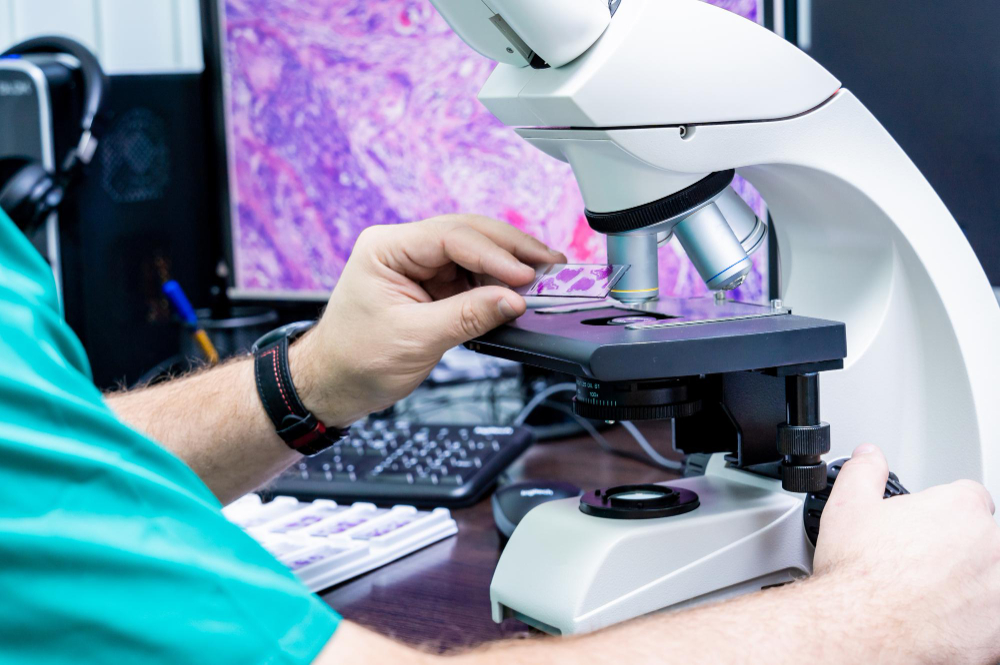
Histopathology is the study of tissues under a microscope. Doctors use it to check for disease in samples taken from the body. For example, a small piece of tissue (called a biopsy) may be removed during surgery or a test. Then, a pathologist examines it to look for signs of illness, such as cancer or infection.
For example, the histopathology process can help find early-stage breast cancer, leading to better outcomes.
What is Cytology?
Cytology is the study of single cells or small groups of cells. Unlike histopathology, it does not look at whole tissues. Instead, it focuses on the details of individual cells. This makes it useful for finding changes that may signal disease.
For instance, the Pap smear is a cytology test that has saved many lives by detecting cervical cancer early.
Understanding Immunohistochemistry (IHC)
Immunohistochemistry, or IHC, is a special lab technique. It uses antibodies to find specific proteins in cells or tissues. This helps doctors learn more about the type of disease present.
For example, IHC can help decide if breast cancer will respond to hormone therapy.
How These Techniques Improve Diagnosis
Because each technique looks at disease in a different way, they work best together. Histopathology shows the big picture. Cytology zooms in on single cells. IHC adds even more detail by showing which proteins are present.
Therefore, precision pathology leads to better outcomes for patients.
Advances Beyond Traditional Methods
Today, new tools are making diagnosis even more precise. Digital pathology lets doctors share images online for expert opinions. Molecular tests can find changes in genes that cause disease. These advances help doctors find rare diseases and choose the best treatments.
As a result, patients benefit from faster and more reliable answers.
When Are These Tests Recommended?
Doctors may suggest these tests if you have symptoms that need a closer look. For example, a lump, unexplained bleeding, or abnormal test results may lead to a biopsy or cytology test. Sometimes, these tests are part of routine screening, like the Pap smear for women.
Always ask your doctor why a test is needed and what the results may mean for you.
What to Expect: The Patient Experience
Most of these tests are simple and safe. For a biopsy, a small piece of tissue is removed, often with local anesthesia. Cytology tests may use a swab, needle, or fluid sample. You may feel mild discomfort, but serious problems are rare.
Remember, these tests are important steps toward finding the right treatment.
The Importance of Accurate Diagnosis
Getting the right diagnosis is the first step to good health. Accurate tests mean you get the right treatment at the right time. This can save lives, reduce side effects, and lower healthcare costs. According to the World Health Organization, early and precise diagnosis leads to better survival rates for many diseases.
Therefore, precision pathology is a key part of modern medicine.
Prevention and Early Detection Tips
While these tests are powerful, you can also take steps to protect your health. Early detection often leads to better outcomes. Here are some tips:
In summary, staying informed and proactive can make a big difference.
Conclusion
Histopathology, Cytology, and IHC are vital tools in precision pathology. They help doctors find disease early and choose the best treatment. If you have questions about these tests, consult a qualified pathologist at Ashirvad Pathology for personalized diagnostic advice.