
Kidney function tests are simple checks that show how well your kidneys work. These tests help doctors spot problems early. Because healthy kidneys remove waste and extra fluid from your blood, it is important to know if they are working right. In this blog, you will learn what kidney function tests are, why they matter, and what to expect during the process.
What Are Kidney Function Tests?
Kidney function tests are medical tests that measure how well your kidneys clean your blood. They look for signs of kidney damage or disease. Often, these tests use blood or urine samples. Since kidneys play a key role in your health, these tests are important for everyone.
Why Are Kidney Function Tests Important?
Because your kidneys filter waste and balance fluids, their health affects your whole body. If your kidneys do not work well, waste can build up. This can make you feel sick. Early testing helps find problems before they get worse. For example, people with diabetes or high blood pressure need regular checks. Early action can prevent serious kidney disease.
Common Types of Kidney Function Tests
There are several tests that check kidney health. Each test gives different information. Below are the most common types:
How Are Kidney Function Tests Performed?
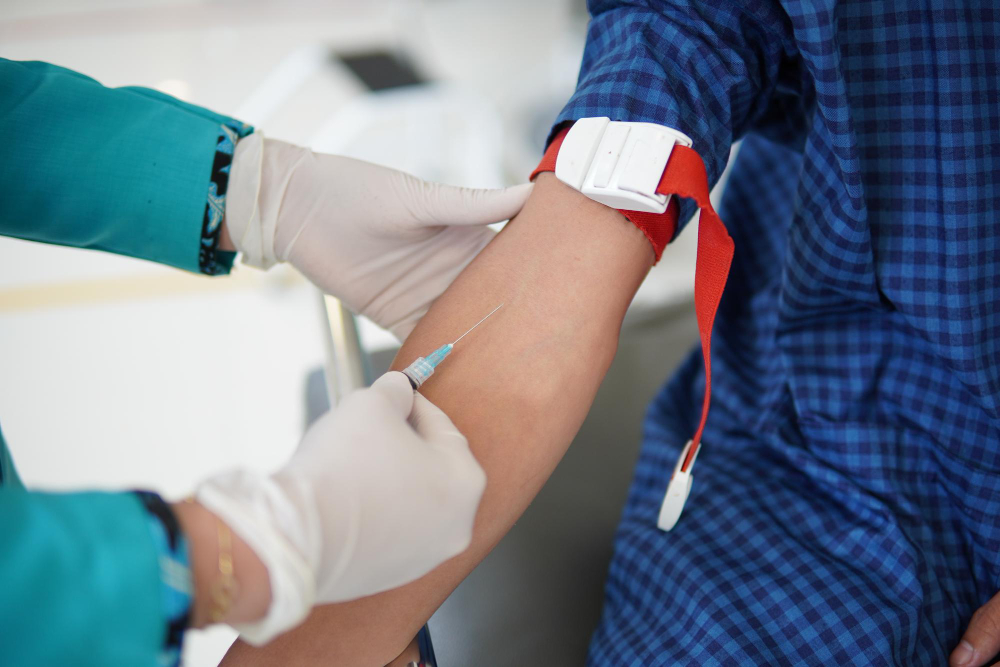
Most kidney function tests are quick and simple. For blood tests, a nurse takes a small sample from your arm. For urine tests, you collect a sample in a clean cup. Sometimes, you may need to collect urine over 24 hours. Your doctor will explain the kidney function test procedure before you start. Usually, you can return to normal activities right after.
Understanding Your Results
After the tests, your doctor will review your results. Normal kidney test results mean your kidneys are working well. If results are not normal, your doctor may order more tests. Sometimes, results can be affected by diet, medicines, or dehydration. Therefore, always talk to your doctor about what your results mean for you.
When Should You Get Tested?
Some people need kidney function tests more often. For example, you should get tested if you have:
Even if you feel healthy, regular testing can catch problems early. Your doctor can tell you how often you need these tests.
How to Prepare for Kidney Function Tests
Preparing for kidney function tests is easy. Usually, you do not need to do much. However, your doctor may ask you to:
Always follow your doctor’s instructions. If you have questions about how to prepare for kidney function tests, ask your healthcare provider.
Frequently Asked Questions About Kidney Function Tests
Conclusion
Kidney function tests are important for keeping your kidneys healthy. They help find problems early, so you can get the right care. If you have risk factors or symptoms, talk to your doctor about getting tested.
Consult a healthcare specialist at Ashirvad Pathology Laboratory for personalized advice about kidney function tests.