
What is NT-ProBNP?
NT-ProBNP stands for N-terminal pro b-type natriuretic peptide. It is a substance made by your heart. When your heart is under stress or not working well, it releases more NT-ProBNP into your blood. Doctors use the NT-ProBNP test to help check for heart problems. This test is simple and can give important clues about your heart health.
Why is NT-ProBNP Important?
NT-ProBNP is important because it helps doctors find heart failure and other heart issues early. When your heart struggles to pump blood, NT-ProBNP levels rise. Because of this, the test can show if your heart needs help. Early detection means you can get treatment sooner. As a result, you may avoid serious problems later.
Symptoms and Conditions Linked to NT-ProBNP
Doctors often order an NT-ProBNP test if you have symptoms of heart trouble. Some common symptoms include:
NT-ProBNP is linked to several conditions, such as:
However, not all high NT-ProBNP results mean you have heart failure. Sometimes, other health issues can affect your levels.
How is NT-ProBNP Tested?
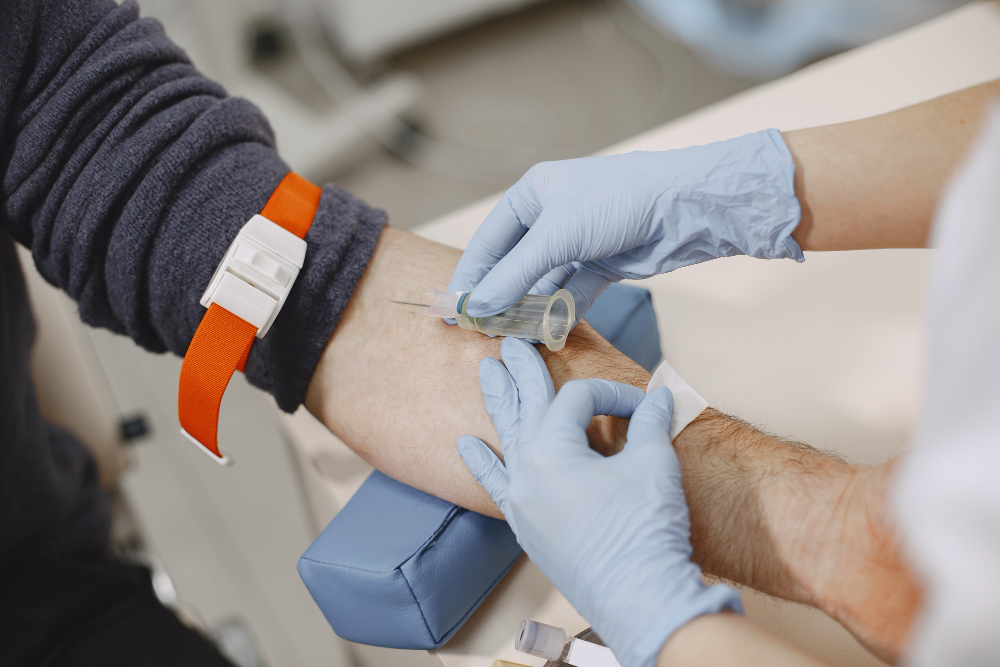
Testing NT-ProBNP is quick and easy. First, a nurse or doctor takes a small blood sample from your arm. Then, the sample goes to a lab for testing. You do not need to fast or do anything special before the test. Usually, you get your results within a day or two. Because the test is simple, it is often used in hospitals and clinics.
Understanding NT-ProBNP Test Results
NT-ProBNP results are measured in picograms per milliliter (pg/mL). Normal levels depend on your age and health. For example, younger people usually have lower NT-ProBNP levels. Older adults may have higher levels, even without heart problems. Here is a general guide:
However, other factors can raise NT-ProBNP, such as kidney disease, lung problems, or infections. Therefore, your doctor will look at your symptoms, medical history, and other test results before making a diagnosis. According to the American Heart Association, NT-ProBNP is just one part of the full picture.
Treatment and Next Steps
If your NT-ProBNP is high, your doctor may suggest more tests. These could include an echocardiogram (heart ultrasound) or an EKG (heart rhythm test). Treatment depends on the cause. For heart failure, doctors may recommend:
Sometimes, hospital care is needed if symptoms are severe. But with the right care, many people feel better and live longer.
Lifestyle and Prevention Tips
Even if your NT-ProBNP is normal, healthy habits can protect your heart. Here are some tips:
Because prevention is key, these steps can lower your risk of heart problems.
Frequently Asked Questions about NT-ProBNP
Consult a healthcare professional at Ashirvad Pathology Laboratory for personalized advice about NT-ProBNP.