
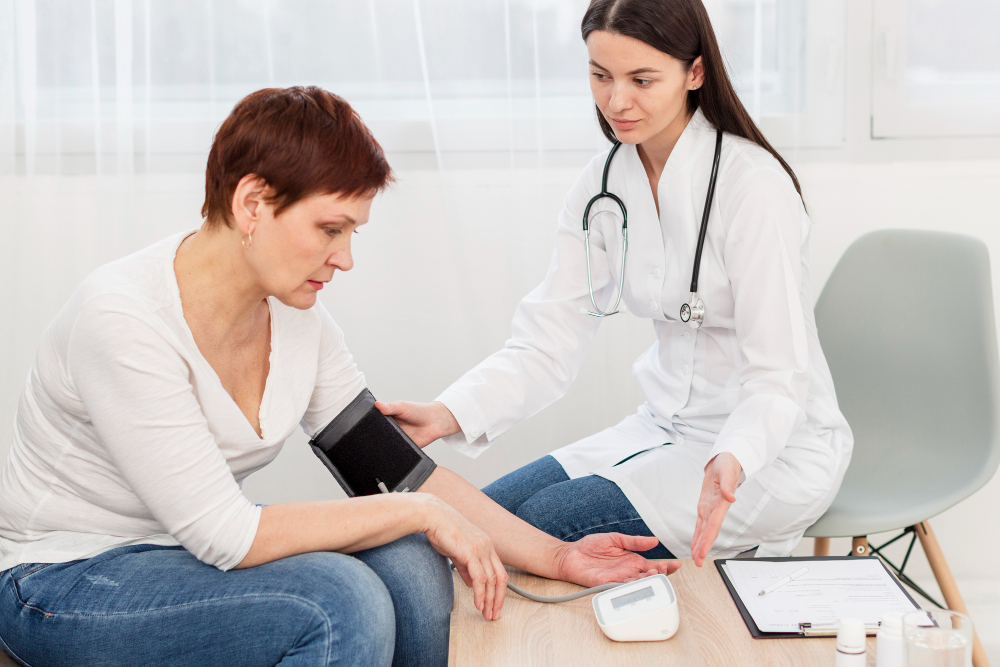
What Are Preventive Health Checks?
Preventive health checks are regular tests and exams that help find health problems early. These checks look for signs of disease before you feel sick. For example, a preventive health screening can spot high blood pressure or diabetes early. Because of this, you can get treatment sooner and avoid serious problems. Many doctors and health groups, like the CDC and WHO, recommend routine health checkups for everyone.
Why Are Preventive Health Checks Important?
First, preventive health checks help catch diseases early. Early disease detection means you can start treatment before problems get worse. Also, these checks help you learn about your health risks. For instance, you may find out if you are at risk for heart disease or cancer. As a result, you can make changes to stay healthy. In addition, regular checkups give you peace of mind. You know you are taking steps to protect your health.
Common Types of Preventive Health Checks
There are many types of preventive health checks. Some are simple, while others need special tests. Here are some common examples:
Each test checks for different health problems. Your doctor will suggest the right tests for you.
How Preventive Health Checks Are Performed
Usually, preventive health checks start with a visit to your doctor. First, your doctor will ask about your health and family history. Next, you may get a physical exam. After that, you might have blood tests or other screenings. Some tests, like blood pressure checks, are quick and painless. Others, like cancer screenings, may take more time. Your doctor will explain each step. Most results come back in a few days. If anything is found, your doctor will talk about next steps.
Who Should Get Preventive Health Checks and How Often?
Everyone can benefit from preventive health checks. However, how often you need them depends on your age, gender, and health risks. For example:
Because everyone is different, your doctor will help set the right schedule for you.
Benefits and Limitations
Preventive health checks offer many benefits. For instance, they help find problems early, lower your risk of serious illness, and save money on future care. In addition, they give you a chance to talk with your doctor about your health. However, there are some limits. Not all diseases can be found early. Sometimes, tests may give false alarms. Even so, most experts agree that the benefits of early disease detection are greater than the risks.
Tips for Preparing for Preventive Health Checks
To get the most from your preventive health screening, follow these tips:
By preparing ahead, you help your doctor give you the best care.
Prevention and Lifestyle Guidance
Besides getting preventive health checks, you can take steps to stay healthy. For example, eat a balanced diet, exercise often, and avoid smoking. Also, limit alcohol and manage stress. These habits lower your risk for many diseases. In addition, follow your doctor’s advice after your checkup. If you need medicine or more tests, do them as told. Good habits and regular checkups work best together.
Conclusion
In summary, preventive health checks are a key part of staying healthy. They help catch problems early and guide you toward better choices. Consult a healthcare provider at Ashirvad Pathology Laboratory to learn which preventive health checks are right for you.