
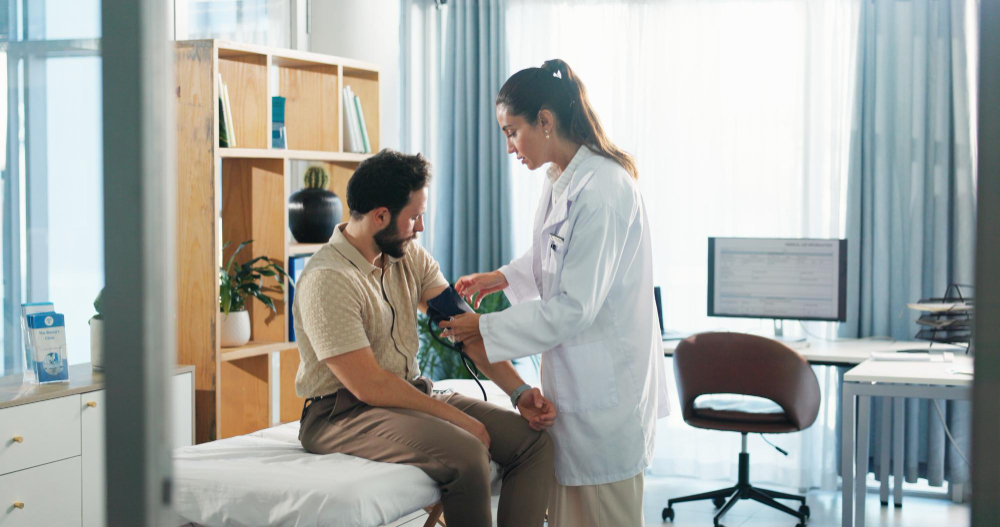
What Are Preventive Health Checks?
Preventive health checks are regular medical tests that help find health problems early. These checks often include screenings, blood tests, and physical exams. In fact, many people call them routine health screenings or annual health checkups. By getting preventive health checks, you can spot issues before they become serious. This way, you have a better chance to stay healthy and avoid future problems.
Why Are Preventive Health Checks Important?
First, preventive health checks help catch diseases early. Early detection means treatment can start sooner, which often leads to better results. For example, finding high blood pressure or diabetes early can prevent serious complications. Also, these checks can help you learn about your risk for certain conditions. According to the CDC and WHO, regular screenings save lives and reduce healthcare costs. Therefore, making preventive health checks a habit is a smart choice for everyone.
Common Types of Preventive Health Checks
There are many types of preventive health checks. Some are based on age, gender, or family history. Here are some common examples:
Additionally, your doctor may suggest other tests based on your health needs.
Who Should Get Preventive Health Checks?
Almost everyone can benefit from preventive health checks. However, some people need them more often. For instance, adults over 40, people with a family history of certain diseases, and those with chronic conditions should get regular screenings. Children and teens also need age-appropriate checks. Even if you feel healthy, regular checkups can help you stay that way. So, talk to your doctor about the right schedule for you.
How to Prepare for a Preventive Health Check
Preparing for a preventive health check is simple. Still, a few steps can help you get the most from your visit:
Moreover, let your doctor know about any recent changes in your health.
What to Expect During and After the Check
During your preventive health check, your doctor will ask about your health and lifestyle. Next, you may have a physical exam and some lab tests. Some checks, like blood pressure or vision tests, are quick and painless. After the check, your doctor will explain the results. If any problems are found, you may need more tests or follow-up visits. In most cases, you will get advice on how to stay healthy until your next check.
Tips for Maintaining Health Between Checks
Staying healthy is a daily effort. Between preventive health checks, you can:
Furthermore, keep track of any new symptoms and share them with your doctor at your next visit.
Conclusion
In summary, preventive health checks are a key part of staying healthy. They help find problems early and guide you to better choices. So, So, consult a healthcare provider at Ashirvad Pathology Laboratory to schedule your preventive health check and get personalized advice.