Introduction
Today, advanced pathology is changing how doctors find and treat diseases. With tissue, cells, and cultures, advanced pathology techniques leave nothing undetected. These modern pathology diagnostics help doctors spot problems early. As a result, patients get the right treatment sooner. In this blog, you will learn how cell and tissue analysis works. You will also see why these methods are so important for your health.
What Is Advanced Pathology?
Advanced pathology uses special lab tests to study tissue, cells, and cultures. These tests help doctors find diseases that may not show clear signs. For example, cancer, infections, and rare conditions can be found early. Because of these tools, doctors can give better care. Advanced pathology techniques are now used in many hospitals and clinics around the world.
The Role of Tissue, Cells, and Cultures in Diagnosis
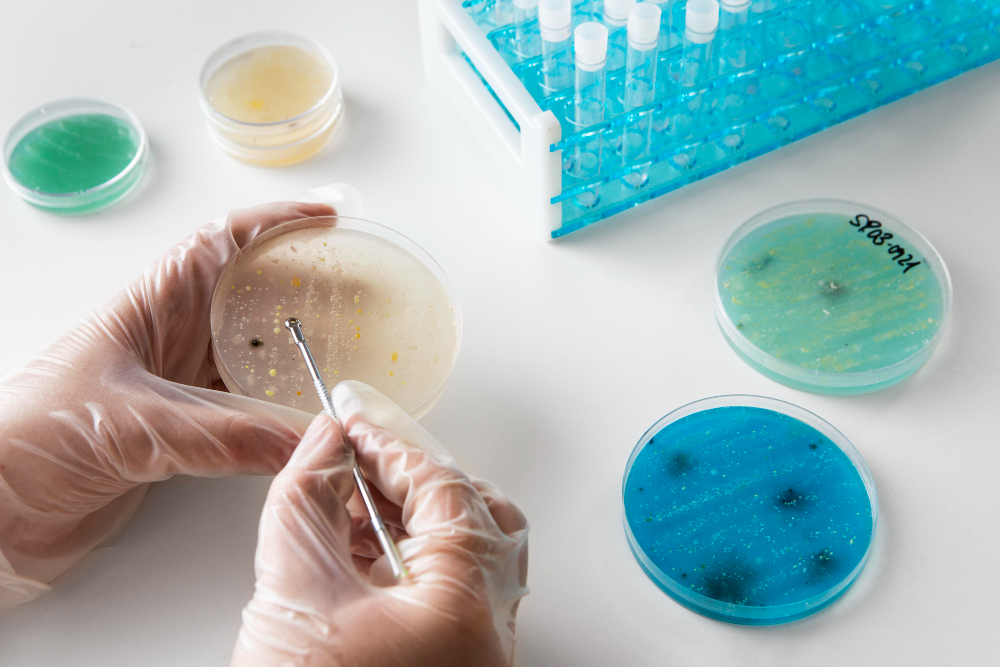
Tissue, cells, and cultures each play a key role in diagnosis. For instance, tissue samples show how organs or skin look under a microscope. Cell samples reveal changes that may signal disease. Cultures help grow bacteria or viruses from samples. This way, doctors can see what is causing an infection. Together, these methods give a full picture of your health.
How Advanced Pathology Detects Hidden Conditions
Often, diseases hide in the body without clear symptoms. However, advanced pathology can find these hidden problems. For example, cell culture diagnostics can spot infections before you feel sick. Tissue and cell analysis can find cancer at an early stage. Because of this, doctors can start treatment sooner. Early disease detection saves lives and improves outcomes.
Common Techniques in Tissue and Cell Analysis
Modern pathology uses many tools to study tissue and cells. Some common techniques include:
Each technique helps doctors learn more about your health. For more details, you can ask your healthcare provider about these pathology lab tests.
Benefits of Modern Pathology for Patients
Modern pathology brings many benefits for patients. First, it helps find diseases early. Second, it gives accurate results. Third, it guides doctors to choose the best treatment. In addition, these tests are often quick and safe. Because of these benefits, patients can feel more confident about their care.
Safety, Accuracy, and Reliability
Safety is a top priority in advanced pathology. Most tests use small samples and cause little discomfort. Also, labs follow strict rules to keep results accurate. According to the World Health Organization (WHO), modern labs use quality checks to ensure reliability. Because of these steps, you can trust your test results.
When Should You Consider Advanced Pathology?
Sometimes, your doctor may suggest advanced pathology tests. For example, if you have unexplained symptoms, these tests can help. You may also need them if you have a family history of certain diseases. In some cases, advanced pathology in your city or region can help with early screening. Always talk to your doctor if you have questions about these tests.
Frequently Asked Questions
Conclusion
In summary, tissue, cells, and cultures are key tools in advanced pathology. They help doctors find hidden diseases and guide the best treatment. If you have health concerns, consult a pathology specialist at Ashirvad Pathology to learn more about advanced tissue and cell analysis for your health.