
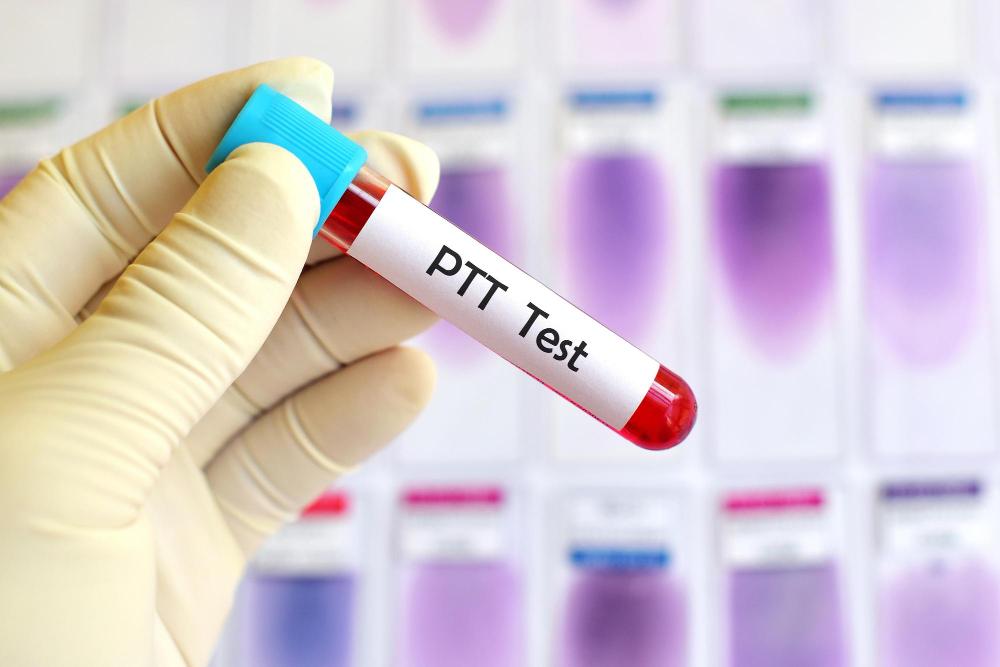
What Is a Coagulation Profile?
A coagulation profile is a group of blood tests that check how well your blood clots. These tests help doctors find problems with blood clotting. For example, they can detect if your blood clots too slowly or too quickly. Because blood clotting is important for healing, knowing your coagulation profile can help keep you safe.
Why Is a Coagulation Profile Important?
Sometimes, people have bleeding disorders or clotting problems and do not know it. Therefore, a coagulation profile can help find these issues early. If you have a problem with blood clotting, you might bleed too much after an injury or surgery. On the other hand, your blood might clot too easily, which can cause blockages in your blood vessels. Both situations can be dangerous. So, doctors use this blood test for clotting to guide treatment and keep you healthy.
Common Tests Included in a Coagulation Profile
Usually, a coagulation profile includes several tests. Each test looks at a different part of the clotting process. Some common tests are:
How Is the Test Performed?
First, a healthcare worker will clean your arm. Next, they will use a small needle to take a blood sample from a vein. The blood goes into a tube and is sent to a lab. There, the lab checks your blood for clotting problems. The process is quick and usually takes only a few minutes. Most people feel only a small pinch.
What Do the Results Mean?
After the test, your doctor will review your results. If your blood takes longer than normal to clot, you may have a bleeding disorder. For example, this can happen if you have low platelets or certain diseases. If your blood clots too quickly, you may be at risk for blood clots. Sometimes, medicines or health conditions can affect your results. Therefore, your doctor will explain what your numbers mean and what steps to take next.
When Should You Get Tested?
There are several reasons to get a coagulation profile. You may need this test if you:
Sometimes, your doctor may order this test as part of a routine checkup, especially if you have risk factors.
Tips for Preparing for the Test
Before your blood test for clotting, follow these tips:
Because some medicines can affect results, always follow your doctor’s instructions.
Prevention and Lifestyle Guidance
While you cannot always prevent blood clotting problems, you can lower your risk. For example, you can:
Additionally, let your doctor know if you notice any unusual bleeding or bruising.
Frequently Asked Questions
In summary, a coagulation profile helps find blood clotting problems early. If you have concerns or need more information, consult Ashirvad Pathology Laboratory for personalized advice about your coagulation profile.